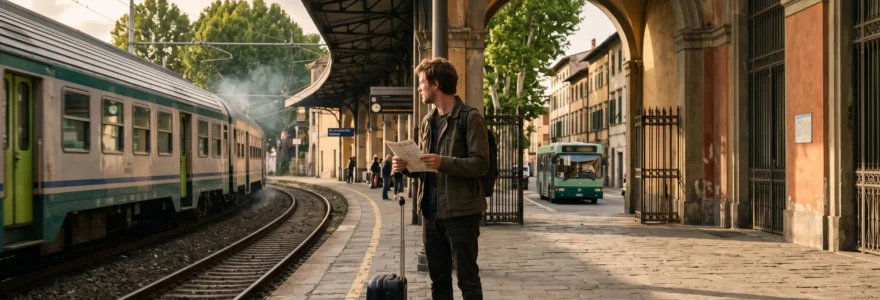
Planning a week in Tuscany without renting a car raises an immediate question: should you rely on trains, buses, or a combination of both? The answer depends less on abstract advantages than on the specific cities you intend to visit and how you want to structure your days. Trains generally offer the fastest connections between major cities such as Florence, Pisa, Lucca and Siena, whilst buses provide more flexible access to hilltop towns not served by rail—most notably San Gimignano—and often deliver passengers closer to historic centres. Neither mode dominates every scenario, which means a week-long Tuscan itinerary frequently benefits from understanding when each transport option makes practical sense.
This comparison examines both networks on concrete criteria: journey times, frequency, cost, ease of access to city centres, and how well each fits different itinerary types. The goal is to help you decide which mode to use for each leg of your trip, avoid common mistakes such as parking fines in restricted zones, and travel confidently without the logistical burden of driving abroad.
Train or bus in Tuscany: the quick answer
Quick answer: Trains are usually faster and more frequent for direct links between Florence, Pisa, Lucca and Siena, making them the logical choice when connecting these cities. Buses become more practical when visiting smaller hill towns without rail stations—such as San Gimignano—or when you value being dropped in the heart of a historic centre rather than walking from a station on the outskirts.
The best choice depends less on a universal rule than on the way you plan to explore Tuscany. Travellers staying in Florence for a week and taking day trips to Pisa or Lucca will often appreciate the convenience and affordability of trains. For a more varied itinerary that includes places such as San Gimignano, however, flexibility can make all the difference. A tuscany bus from Florence can provide a more direct way to reach several destinations, avoiding complicated transfers, station changes and the need to plan every connection in advance.
The comparison comes down to four main criteria: journey time, which typically favours trains on major routes; flexibility, where buses can offer passes valid across several days and cities; access to centres, as buses often stop closer to medieval cores; and network coverage, since trains cannot reach every Tuscan town. Understanding these trade-offs lets you match each leg of your trip to the mode that serves it best, rather than committing to one option throughout.
How the Tuscan rail network works
The regional rail network operated primarily by Trenitalia connects Florence to Pisa, Lucca and Siena with regular services throughout the day. Typical journey times on regional trains run approximately one hour from Florence to Pisa Centrale, just over one hour to Lucca, and around ninety minutes to Siena, though exact durations depend on the service and any intermediate stops. Frequencies are generally good on weekdays, with several departures per hour on busier routes such as Florence to Pisa, and slightly reduced timetables at weekends or outside peak tourist season.
Trenitalia operates most regional services, whilst Italo provides high-speed connections on certain intercity routes, though regional trains remain the standard choice for travellers hopping between Tuscan towns. Tickets for regional services are reasonably priced and can be purchased online via the Trenitalia website or mobile app, at ticket machines in stations, or at staffed counters. Booking in advance is not always necessary for regional trains, but doing so can secure clearer travel plans and occasionally lower fares during promotional periods.
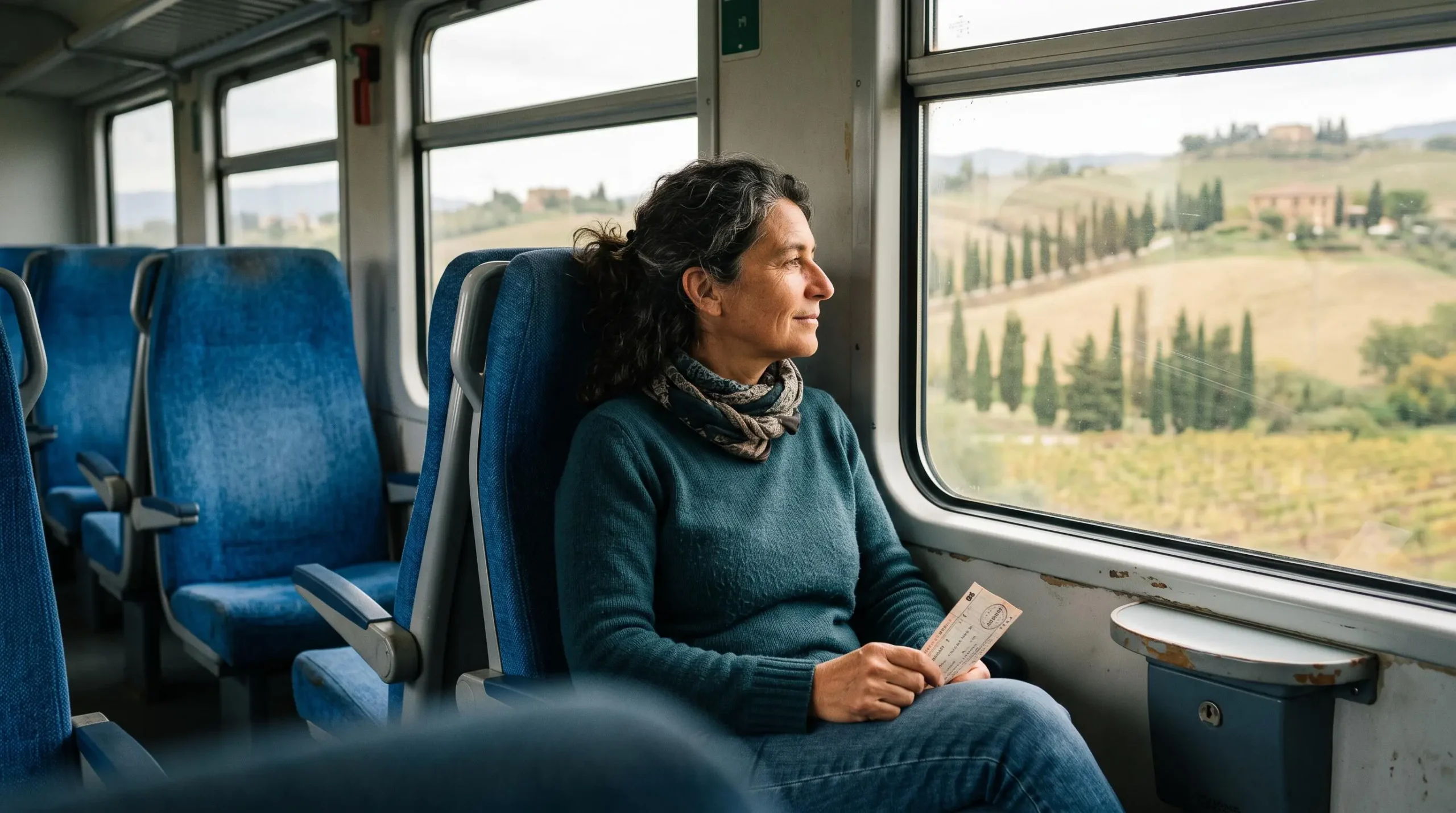
The rail network does have limits worth noting before planning a car-free itinerary. San Gimignano, one of Tuscany’s most iconic hilltop towns, has no railway station. According to the Comune di San Gimignano, travellers arriving by train must alight at Poggibonsi-San Gimignano station and then take a connecting bus to reach the historic centre. Siena’s main station also sits approximately two kilometres from the medieval heart of the city, requiring either a local bus ride or a twenty-minute uphill walk. These gaps between stations and destinations mean that trains alone do not always deliver true door-to-door convenience, particularly for towns perched on hills or built within tightly restricted historic cores.
Rail travel works best when connecting the larger Tuscan cities where stations are relatively central and frequent services allow flexible departure times. For routes not served by train, or where the final stretch from the station adds inconvenience, buses often provide a more direct alternative.
How does bus travel in Tuscany compare?
Buses in Tuscany range from regional coach services linking towns to tourist-oriented hop-on hop-off networks designed for multi-city visits. Comparing buses to trains on the same criteria reveals distinct strengths: whilst buses are generally slower than trains on major intercity routes, they compensate by stopping closer to historic centres and serving destinations beyond the rail network.
Journey times by bus from Florence to Pisa or Lucca typically exceed those of regional trains, sometimes by thirty minutes or more depending on traffic and the number of intermediate stops. However, buses often terminate in or near pedestrianised historic quarters, sparing travellers the walk from outlying stations. For visitors prioritising ease of access over speed, this door-to-door convenience can outweigh a slightly longer journey, particularly when carrying luggage or planning short visits to multiple towns in one day.
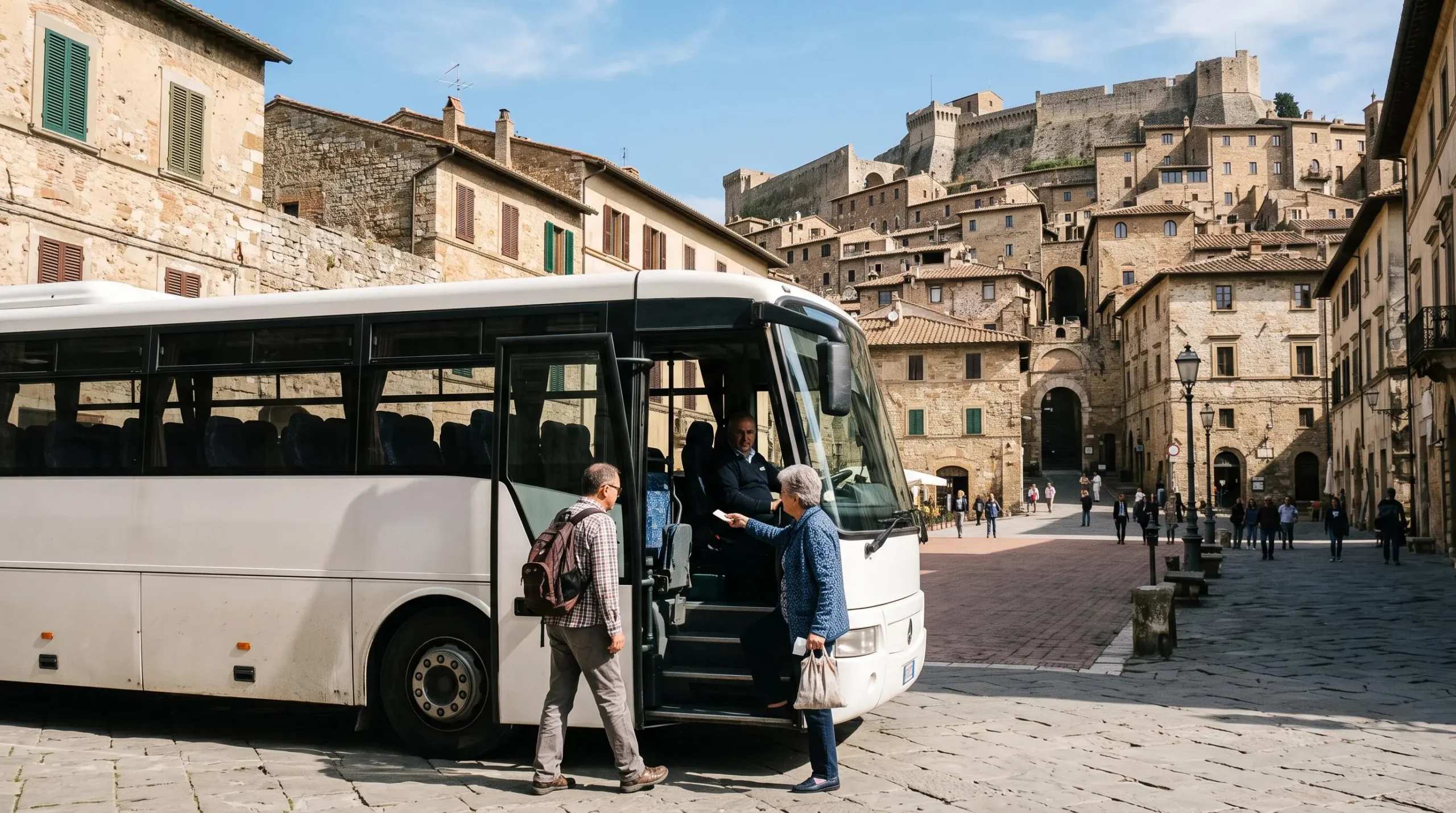
The flexibility of bus passes represents another practical advantage. Some services offer multi-day passes valid across several Tuscan towns, allowing travellers to hop on and off throughout the validity period without purchasing separate tickets for each leg. According to information communicated by Tootbus, the Tuscany Travel Pass is available in durations of one, two, three or five days, covering routes between Florence, Pisa, Lucca, Siena and other destinations, with fares starting from €34.30 when a thirty per cent promotional discount applies. Such passes suit travellers who value spontaneity and prefer not to commit to fixed departure times, though it remains important to verify current pricing, routes and any seasonal schedule changes directly with the operator before departure.
Comfort levels on buses vary by operator and service type. Tourist-oriented coaches typically provide air conditioning, comfortable seating and onboard commentary, whilst regional buses may offer more basic facilities. Trains generally provide more legroom and the freedom to move between carriages, but buses avoid the need to navigate busy stations or manage luggage on platforms.
Buses shine when the destination lies outside the rail network or when you want a single transport solution that deposits you directly in the heart of each town. Trains remain faster and often more frequent on the core intercity routes. The smart approach involves matching each leg of your itinerary to the mode that serves it most efficiently.
Which option suits your itinerary best?
Choosing between train and bus depends primarily on which towns you plan to visit and how you structure your days. Different itinerary types favour different transport modes, and many week-long trips benefit from combining both.
Florence to Pisa and Lucca circuit: Travellers focusing on these three cities will find trains fast and frequent. Regional services connect Florence to Pisa in around an hour and Florence to Lucca in slightly over an hour, with departures throughout the day. Both Pisa Centrale and Lucca’s station sit within comfortable walking distance of their historic centres, making rail a straightforward choice. If you prefer a single pass that covers both transport and flexibility to spend varying amounts of time in each city, a bus pass offers an alternative that eliminates the need to purchase individual tickets, though journey times will be longer. For those interested in smart Florence-Pisa-Lucca travel, understanding the trade-off between speed and convenience helps refine the decision.
Visiting Siena: The train from Florence to Siena takes approximately ninety minutes and runs regularly, but the station lies about two kilometres from the medieval centre. A local bus or uphill walk bridges that gap. Buses serving Siena often stop closer to the historic core, which can simplify arrival and departure, particularly for travellers with luggage or limited time.
San Gimignano without a car: Since no train serves San Gimignano, buses become the practical option. Regional services connect the town to Poggibonsi or Florence, delivering passengers directly to the historic quarter. Anyone including San Gimignano in their itinerary will rely on buses at least for this leg, making a multi-day bus pass potentially more economical if other destinations also feature.
Combining train and bus: A week-long itinerary might use trains for quick hops between Florence, Pisa and Lucca, then switch to a bus for reaching San Gimignano or Siena’s centre. This hybrid approach captures the speed of rail on major routes whilst preserving access to hill towns and reducing walking distances at either end. Travellers interested in city breaks balancing leisure and discovery often find this flexibility valuable, allowing each day’s transport to match that day’s destinations rather than locking into a single mode throughout the trip.
The key lies in mapping your planned stops against each network’s strengths. If speed and frequency between major cities matter most, trains deliver. If door-to-door access and coverage of smaller towns take priority, buses fill the gaps trains cannot.
Planning a car-free Tuscan trip: key practical tips
Organising a week in Tuscany without a car requires attention to booking windows, local restrictions and seasonal variations that can affect both trains and buses. A few practical steps reduce the risk of logistical surprises and help you move smoothly between towns.
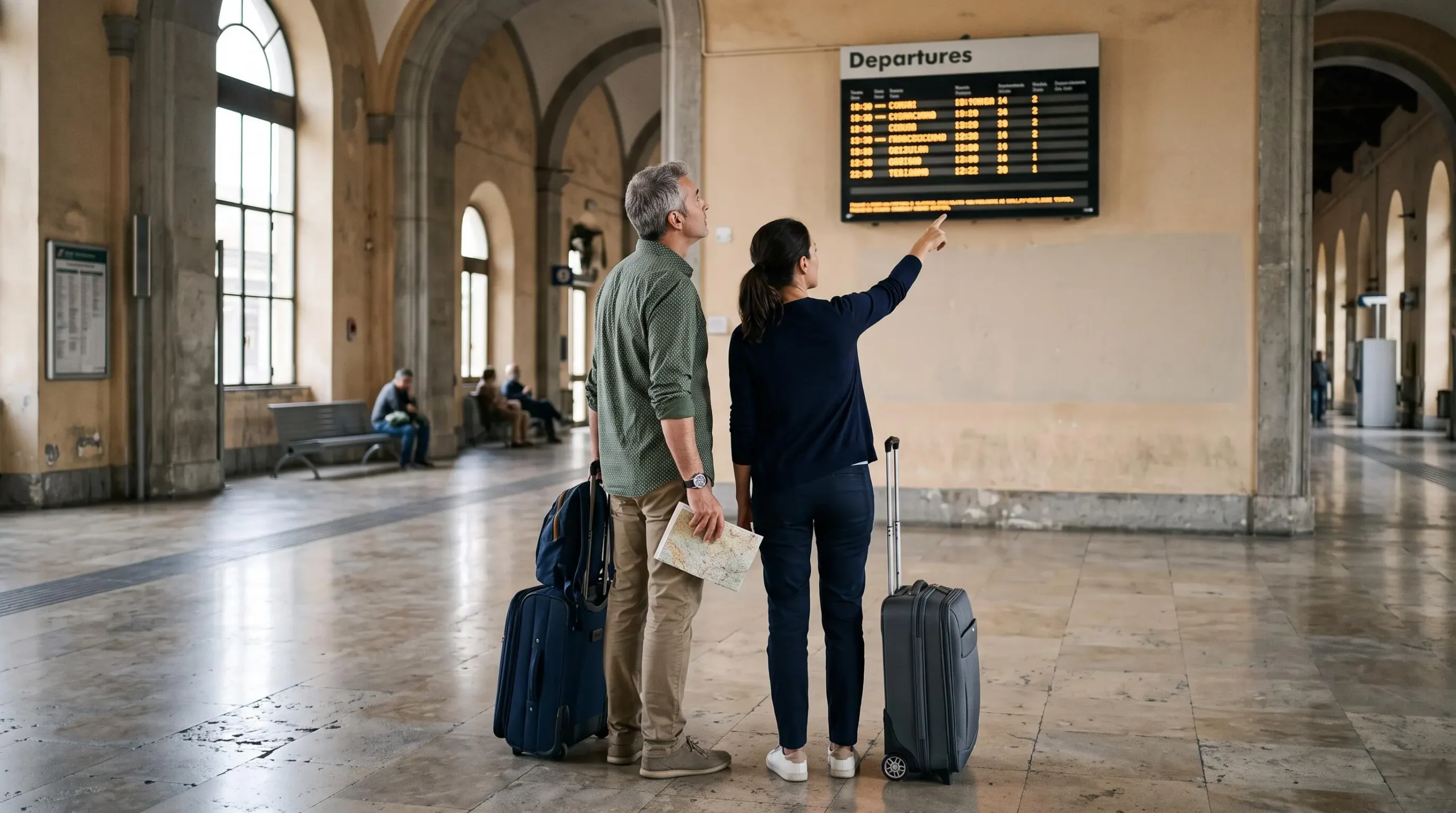
Booking tickets and passes: Regional train tickets can be purchased shortly before departure, but buying them online in advance via the Trenitalia website or app often provides clearer schedules and occasionally lower fares. Bus passes that cover multiple days should be booked directly with the operator, ensuring you understand the validity period, which routes are included, and whether any blackout dates apply during high season. Always verify current pricing and terms before committing, as promotional offers and schedules may change.
Understanding ZTL zones: One of the strongest arguments for car-free travel in Tuscany concerns the Zona a Traffico Limitato (ZTL) zones that restrict vehicle access to many historic centres. According to the Italian Ministry of Infrastructure and Transport, municipalities across Italy enforce ZTL regulations through automated camera systems that fine drivers entering restricted areas without authorisation. The Comune di Firenze publishes updated ZTL boundaries, which define exactly where vehicles may not enter during certain hours. Fines can arrive weeks after your return home, often exceeding the cost of a week’s public transport tickets. Arriving by train or bus bypasses this risk entirely, as pedestrians face no restrictions when entering historic centres on foot.
Seasonal timetables and mobile apps: Train and bus frequencies vary by season, with reduced services common outside the main tourist period from late spring to early autumn. Checking timetables shortly before travel, rather than relying on schedules found months earlier, helps avoid missed connections. The Trenitalia app provides real-time departure information and platform assignments, whilst bus operators often maintain their own apps or provide live updates via their websites. Downloading these tools before departure allows you to adjust plans on the move if delays occur.
Station and stop locations: Before booking, verify where each station or bus stop sits relative to your accommodation and the sights you intend to visit. A station two kilometres from the centre may not matter if local buses run frequently, but it becomes inconvenient late in the evening or early in the morning. Understanding these distances in advance helps you choose the mode that minimises walking with luggage and maximises time spent exploring rather than navigating transfers.
Preparing these details before departure turns a potentially stressful itinerary into a manageable, car-free exploration of Tuscany’s cities and hill towns. The combination of reliable public transport, clear ZTL boundaries and accessible booking platforms makes travelling without a car not only feasible but often more convenient than driving.
Frequently asked questions about train and bus travel in Tuscany
Is the train cheaper than the bus in Tuscany?
Regional train tickets between major Tuscan cities typically cost between €5 and €15 per journey, depending on the route and whether you book in advance. Single bus tickets may fall within a similar range, but multi-day bus passes can offer better value if you plan several journeys over consecutive days. The most economical option depends on how many trips you intend to make and whether you prefer the flexibility of a pass or the speed of individual train tickets. Comparing the total cost of your planned journeys against available pass pricing helps identify the best fit for your budget.
Can you visit San Gimignano without a car in Tuscany?
Yes, though you will need to use buses rather than trains. San Gimignano has no railway station, so travellers arriving by train must alight at Poggibonsi-San Gimignano station and then take a connecting bus to the historic centre. Alternatively, direct bus services from Florence to San Gimignano avoid the need for transfers, delivering passengers close to the medieval core. Multi-day bus passes that include San Gimignano among their stops can simplify logistics if you are visiting other towns on the same trip.
Do train and bus timetables change with the seasons?
Yes, both train and bus operators adjust frequencies and departure times according to demand, which peaks during the main tourist season from late spring to early autumn. Services may run less frequently outside these months, with some routes reducing evening or weekend departures. Checking timetables on official operator websites or apps shortly before your trip ensures you work with current schedules rather than outdated information, reducing the risk of missed connections or unexpectedly long waits.
How far are train stations from the historic centres in Pisa, Lucca and Siena?
Pisa Centrale and Lucca’s station both sit within comfortable walking distance of their historic centres—generally fifteen to twenty minutes on foot. Siena’s main station lies approximately two kilometres from the medieval core, requiring either a local bus ride or a longer uphill walk. If minimising walking distance matters, buses that terminate closer to the centre may prove more convenient, particularly in Siena. Checking exact distances and local bus connections before arrival helps you plan the final stretch of each journey.
Travelling through Tuscany without a car comes down to understanding where each mode of transport excels. Trains provide speed and frequency on major routes between Florence, Pisa, Lucca and Siena, making them the natural choice when those cities form the backbone of your itinerary. Buses fill the gaps by reaching hilltop towns such as San Gimignano, stopping closer to historic centres, and offering flexible passes that suit multi-day exploration. Many week-long trips benefit from combining both: trains for quick intercity hops, buses for destinations beyond the rail network or where door-to-door access simplifies arrival. By matching each leg of your journey to the mode that serves it best, you preserve both time and peace of mind, leaving you free to focus on the experience rather than the logistics.